
Views: 0 Author: Site Editor Publish Time: 2025-12-10 Origin: Site


Thermal management is a critical component of modern industrial processes. Whether you are sterilizing medical equipment, regulating temperature in textile machinery, or managing fluid dynamics in automation, the heating element is the heart of the operation. When that heart fails, production stops, and costs skyrocket. This is why engineers and procurement managers prioritize durability above all else.
For demanding environments—especially those involving high pressure or corrosive substances—standard heating elements often fall short. This is where stainless steel tube heaters, particularly those crafted from 304-grade steel, prove their worth. They offer a unique combination of thermal efficiency and mechanical strength that softer metals simply cannot match.
However, not all tubing is created equal. The difference between a generic pipe and a high-precision, industrial-grade component often lies in the manufacturing process and the ability to customize. This guide explores why stainless steel tube heaters are the superior choice for high-pressure applications and breaks down the technical specifications you need to look for.
When selecting a material for heating tubes and heat exchange pipes, the grade of the steel dictates its lifespan. The 300 series, specifically 304 stainless steel, is the industry standard for a reason. It is an austenitic alloy, which means it possesses excellent toughness and high resistance to corrosion.
In industrial settings, heating tubes are often exposed to moisture, chemicals, or variable atmospheric conditions. A lesser metal would oxidize and degrade, leading to leaks or heater failure. 304 stainless steel resists this oxidation, maintaining its structural integrity even under thermal stress. Furthermore, because these tubes are often used in medical and food-grade applications, the material must be non-reactive and easy to clean—traits that 304 steel offers in abundance.
One of the most significant failure points in tube heaters is the weld seam. In high-pressure environments, a welded seam creates a weak point that is susceptible to cracking.
To combat this, leading manufacturers focus on seamless welding line types. A seamless stainless steel tube heater is extruded rather than rolled and welded. This results in a uniform structure around the entire circumference of the tube. The practical benefit is simple: the tube can withstand significantly higher internal pressures without bursting.
For industries utilizing pneumatic pipelines or precision connectors, this pressure resistance is non-negotiable. It ensures safety for operators and reliability for the machinery.
Versatility is a hallmark of stainless steel tube heaters. Because they can be customized in terms of diameter and length, they are foundational components across a wide spectrum of sectors.
In the medical field, hygiene and precision are paramount. Stainless steel tubes are used for sampling tubes, catheters, and sensor sleeves. The non-porous nature of the steel prevents bacterial growth, while its thermal properties allow for precise temperature control during sterilization processes.
Electronic equipment is sensitive to heat fluctuations. Stainless steel sensor sleeves protect delicate internal components from external damage while allowing accurate thermal readings. In automation equipment, these tubes serve as durable pneumatic pipelines that drive movement without succumbing to wear and tear.
Textile machinery operates continuously and generates significant vibration and heat. Yarn guide tubes made from stainless steel withstand this friction without deforming, ensuring consistent product quality.
When sourcing these components, it is vital to understand the manufacturing tolerances and capabilities. Below is a breakdown of standard specifications for high-quality industrial stainless steel tube heaters.
Specification | Value / Detail |
|---|---|
Material Grade | 300 Series (typically 304) |
Tube Type | Seamless |
Outer Diameter (Reference) | 10mm (Customizable) |
Tolerance | ±1% |
Alloy Type | Non-Alloy |
Primary Applications | Decoration, Medical, Industry |
Typical Lead Time | 22–30 days |
Invoicing Method | By theoretical weight |
Off-the-shelf parts rarely fit the nuanced needs of specialized machinery. A "close enough" fit can lead to inefficient heat transfer or installation difficulties.
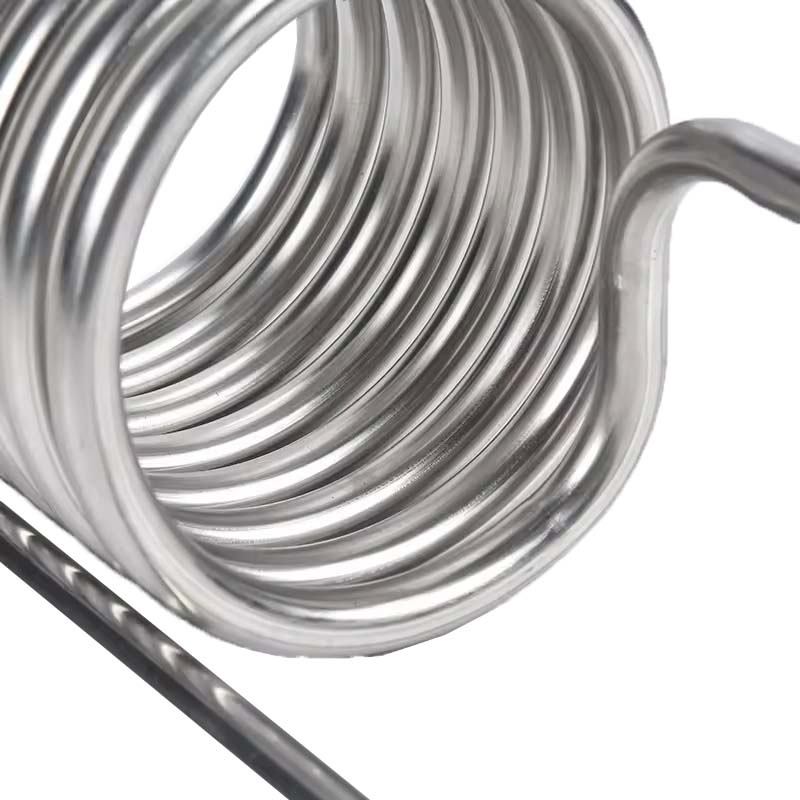
Top-tier manufacturers offer customization options that go beyond just length. You can specify the outer diameter, the wall thickness for specific pressure ratings, and even the bending shape (such as U-shaped or spiral coils) to fit compact machinery.
For example, a heat exchanger in a dehydration machine might require a complex spiral configuration to maximize surface area within a small footprint. A manufacturer capable of custom bending and precision cutting can deliver a component that drops right into the assembly line, saving hours of modification time.
Investing in high-quality stainless steel tube heaters is an investment in the longevity of your equipment. By choosing seamless, 304-grade components, you eliminate common failure points associated with corrosion and pressure fractures.
Whether you are designing a new medical device or maintaining a textile production line, the right heating element makes all the difference. Look for suppliers who offer transparency in their manufacturing process, tight tolerances (±1%), and the ability to customize the product to your exact requirements.


