





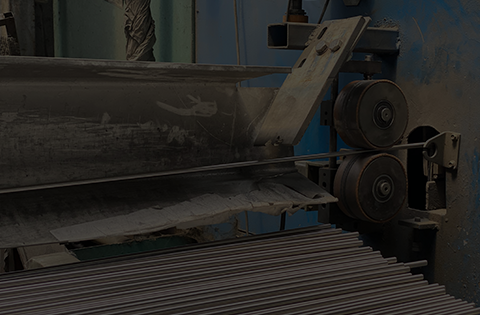


In Which Applications Are Precision Wall Tubes Most Critical?
Precision wall tubes are most critical in sensor housings, medical instrumentation, and structural mechanical components where exact outer diameter, wall thickness, and pressure tolerance determine whether a device functions safely. Industries relying on stainless steel capillary tubing — medical de
Precision wall tubes are most critical in sensor housings, medical instrumentation, and structural mechanical components where exact outer diameter, wall thickness, and pressure tolerance determine whether a device functions safely. Industries relying on stainless steel capillary tubing — medical de
READ MOREWhat Is a Wall Tube? Specifications, Uses, and Why Precision Matters
A wall tube refers to a precision-engineered tube defined by its wall thickness rather than just its outer diameter. In industrial and food-grade applications, manufacturers like those specializing in seamless stainless steel tubes can produce wall tubes with thicknesses ranging from 0.02mm to 2mm,
A wall tube refers to a precision-engineered tube defined by its wall thickness rather than just its outer diameter. In industrial and food-grade applications, manufacturers like those specializing in seamless stainless steel tubes can produce wall tubes with thicknesses ranging from 0.02mm to 2mm,
READ MOREWhat Industries Rely on Stainless Steel Straight Tubes?
Stainless steel straight tubes are used across instruments and meters, automation equipment, fluid transportation, medical devices, the automotive industry, and mechanical manufacturing. Their corrosion resistance, precision dimensions, and durability make them suitable for both high-pressure indust
Stainless steel straight tubes are used across instruments and meters, automation equipment, fluid transportation, medical devices, the automotive industry, and mechanical manufacturing. Their corrosion resistance, precision dimensions, and durability make them suitable for both high-pressure indust
READ MOREFood grade stainless steel pipe is typically made from 304 or 316L stainless steel, chosen for its corrosion resistance, smooth inner bore, and compliance with hygiene standards. Buyers sourcing small-diameter tubes, heat exchange coils, or miniature capillaries should prioritize wall thickness, sur
Food grade stainless steel pipe is typically made from 304 or 316L stainless steel, chosen for its corrosion resistance, smooth inner bore, and compliance with hygiene standards. Buyers sourcing small-diameter tubes, heat exchange coils, or miniature capillaries should prioritize wall thickness, sur
READ MORE


